Small Crew, Big Momentum

Today we dive into Workflow Recipes for Tiny Teams, exploring hands-on routines, tools, and habits that help a handful of people produce outsized results. Expect practical patterns, real examples, and gentle guardrails that protect focus, reduce friction, and turn scattered effort into steady progress without requiring heavy process, costly platforms, or endless meetings.

Ruthless Prioritization Without The Drama

When headcount is tiny, clarity becomes a force multiplier. This approach favors one guiding metric, strict sequencing, and compassionate scope cuts. You will learn how to say no gracefully, keep promises realistic, and ensure the work that actually matters gets delivered on time without burning out your small but determined crew.

One Metric To Power Every Sprint

Anchor the week to a single measurable outcome that everyone understands, like activation rate or cycle time. This narrows debate, spotlights tradeoffs, and reveals progress at a glance. With one number leading the way, even brief updates become meaningful, and decisions become faster, calmer, and consistently aligned.

Three Buckets Backlog: Now, Next, Not Yet

Replace elaborate roadmaps with a three-bucket view that is easy to maintain under pressure. Keep only a handful of items in Now, a short queue in Next, and a candid, evolving Not Yet list. This encourages honest prioritization, discourages wishful thinking, and makes renegotiation of commitments simpler and more respectful.

Asynchronous Collaboration That Actually Moves Work

Async habits keep momentum alive across time zones and scattered schedules. Write decisions down, record short walkthroughs, and keep updates lightweight and findable. Fewer interruptions mean deeper work, less context loss, and a calmer rhythm. Your tiny team becomes resilient when information flows without relying on synchronous availability.

Write First, Chat Later

Start with a crisp, structured note that frames purpose, options, and a proposed path. Ask for objections asynchronously before opening a meeting. This approach captures context, reduces ping-pong messages, preserves history, and makes participation friendlier for different energy levels, schedules, and communication styles across your small, focused group.

Update Cadence That Doesn’t Derail Focus

Adopt short, templated status updates posted at consistent times. Include what was shipped, what is blocked, and what is next. Keep it scannable, link to artifacts, and avoid performative fluff. Reliable rhythm beats volume, and the habit builds trust while protecting the precious deep work windows everyone depends on.

Meetings You Can Defend With A Straight Face

Keep only the gatherings that clearly accelerate delivery or connection. Tight agendas, clear outcomes, and small attendee lists protect energy. Default to cancellation if preparation is missing. Your tiny team deserves meetings that feel like investments, not obligations, and end with decisions, assignments, and renewed confidence in the plan ahead.

Fifteen-Minute Daily Check-In, Mostly Written

Post updates in writing first, then use a short huddle only for blockers or coordination that truly needs voice. Keep the ritual predictable and respectful of calendars. Over time, the brevity builds trust, cuts status theater, and turns this quick touchpoint into a relief rather than a draining obligation nobody enjoys.

Weekly Planning With A Parking Lot

Define the next increments, confirm owners, and note risks with mitigations. Use a parking lot to capture tangents without derailing flow. End by revisiting capacity honestly. This protects commitments, reduces surprises, and ensures your small group leaves aligned, energized, and ready to move confidently into the week’s focused work.

Monthly Alignment Walkthrough, Not A Slide Parade

Replace dense slides with a narrated demo of shipped work, metrics, and learnings. Invite questions, admit missteps, and highlight decisions ahead. This ritual builds shared understanding, celebrates real progress, and keeps investors, partners, or advisors close without drowning the team in preparation overhead that steals precious build time.

Automation That Feels Like Extra Teammates
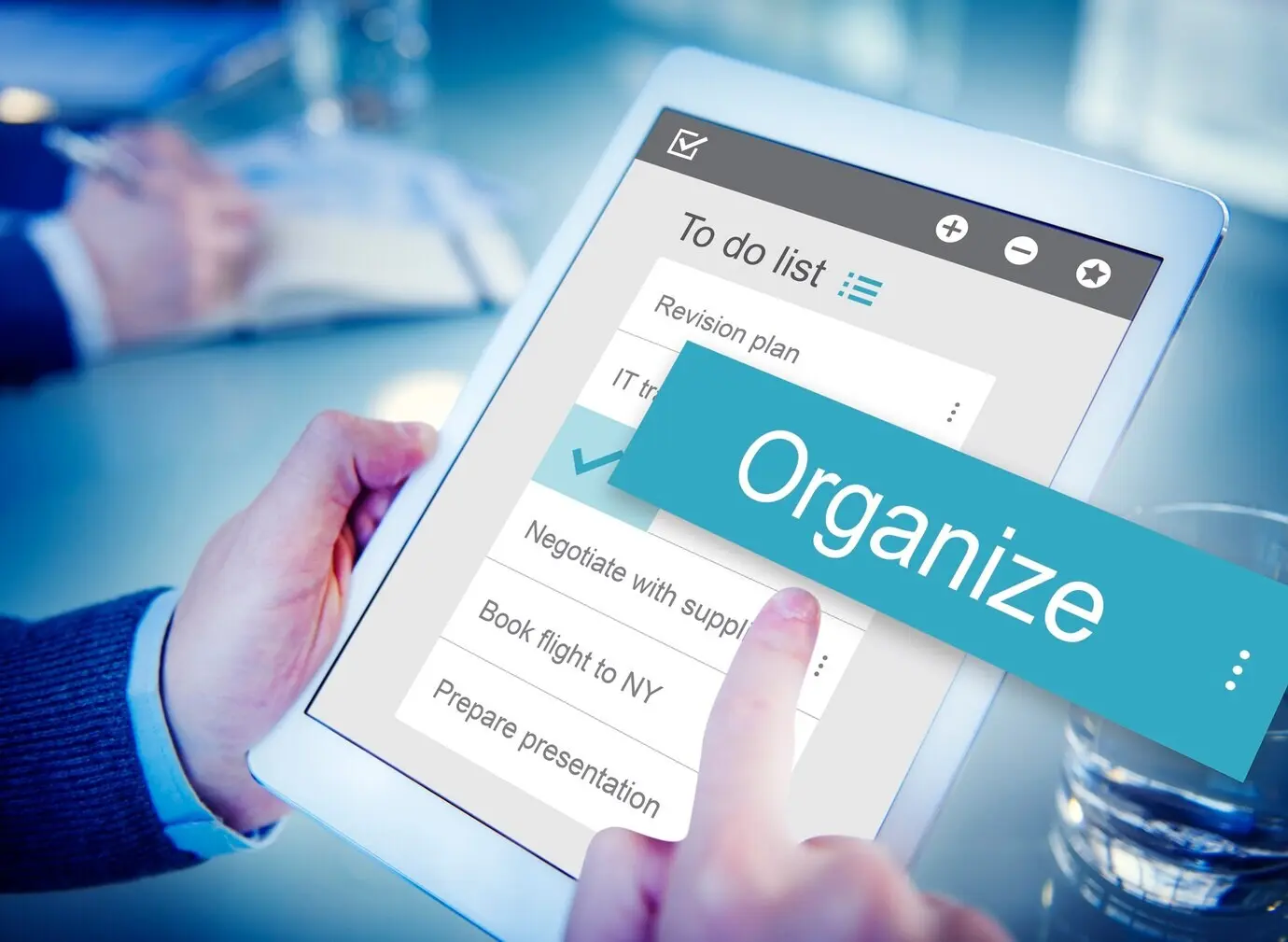
Small crews thrive when repetitive tasks vanish. Use lightweight automations to triage requests, tag issues, and update trackers. Make the bots visible and accountable. The right triggers and checklists reduce error, speed handoffs, and free your team’s best thinking for product decisions, customer conversations, and polished, reliable deliveries.

Tiny DACI Adapted For Three People

Identify a single driver, name advisors early, and clarify who commits. Keep it on one page with links to research. This structure prevents stalemates, reduces side-channel lobbying, and lets people opt into the right level of involvement while keeping accountability tight and respectful for small, fast-moving collaborations under pressure.

Favor Two-Way Doors By Default

When a choice can be reversed, pick the simplest viable option and ship. Document assumptions and review quickly. This habit turns uncertainty into learning velocity and preserves morale. Your tiny team gains confidence making bold moves without gambling the future on bets that could have been tested gradually with customers.

Quality Safeguards Without A Full QA Department

Reliability is possible even with limited hands. Invest in checklists, small test suites, and frequent, structured testing moments. Rotate responsibility so knowledge spreads. Pair this with tiny releases and observability, and customers experience steadier improvements while the team stays nimble, curious, and proud of shipping trustworthy work consistently.

Checklists Beat Memory Every Time

Create concise pre-merge and pre-release checklists that reflect real bugs you’ve seen. Keep them visible, versioned, and short enough to respect time. This steadies quality, reduces stress, and helps new teammates contribute faster because critical steps are explicit, not tribal knowledge trapped in someone’s tired, overworked brain.

Bug Bash Fridays With Clear Scope

Dedicate one focused hour where everyone tests defined flows, records issues with repro steps, and labels severity. Keep it friendly and time-boxed. The cadence surfaces blind spots early, spreads customer empathy, and turns quality into a shared habit rather than an afterthought squeezed between rushed releases and late nights.

Release Trains Over Last-Minute Heroics

Ship on a fixed schedule with cutoffs and clear criteria. Anything that misses rolls forward calmly, avoiding chaos. Predictability makes planning easier for everyone and builds credibility with customers. Small, regular releases also limit blast radius, improving quality while maintaining that crucial sense of forward movement week after week.

Retros That Produce One Concrete Change

Keep retros short, respectful, and rooted in evidence. End with exactly one behavior, tool, or policy change the team will try next. Track the outcome. This keeps improvement manageable, increases follow-through, and turns reflection into action, not a ritualized venting session that fades without shaping tomorrow’s routines constructively.

Invite Users Into The Conversation Early

Host office hours, share loom demos, and ask targeted questions instead of open-ended pleas for feedback. Tag insights by persona and job-to-be-done so patterns emerge. With this clarity, your tiny team prioritizes with confidence and builds features that land, delight, and reduce churn without endless, unfocused speculation burning capacity.
Kenomazehuzetumuzu
Privacy Overview

This website uses cookies so that we can provide you with the best user experience possible. Cookie information is stored in your browser and performs functions such as recognising you when you return to our website and helping our team to understand which sections of the website you find most interesting and useful.